
- About Us
- Admissions
- Academics
- Fine Arts
- Athletics
- MCA Campus Life
- Give
Exclusion from School
MCA’s guidelines regarding illness and when to stay home from school. This is not an exhaustive list, but these are the more common diseases that require medical treatment and exclusion from school.
Students should not attend school if the following are present:
- Difficulty breathing including uncontrolled coughing and/or requiring breathing treatments every 2 hours or more frequently.
- Diarrhea (3 or more episodes of loose stools in 24 hours). An individual must be diarrhea free for 24 hours without the use of diarrhea suppressing medications prior to returning to school.
- Vomiting, unless a physician feels the cause of vomiting is not an infectious disease and the individual is in no danger of becoming dehydrated, this must be accompanied with a physician note. Students must be symptom free for 24 hours without medication before returning to school.
- Temperature of 100 degrees or above. An individual must have a temperature below 100 degrees for 24 hours before returning to school without taking a fever reducing medication.
- Questionable rash until a physician has determined the rash is not caused by an infectious disease.
- “Pink eye”- Red or pink eye with thick discharge.
- Head lice until after the first treatment.
- Strep throat or other streptococcal infection, until 24 hours after starting antibiotics and fever free for 24 hours.
- Known communicable disease must be treated for the appropriate amount of time as directed by a physician.
- Recommendation of a physician or school nurse.
Please note: Parents must provide a completed Medication Request Form to the school nurse before the nurse can administer any oral nonprescription medication such as Tylenol, Advil, Benadryl, and Tums while at school.
For any medication not listed on the above form, this form needs to be completed:
Review the medication policy guidelines.
Required Vaccines
State law requires children to be immunized against certain vaccine-preventable diseases to attend school in Texas or have a current Texas Exemption of Immunization Affidavit on file with the school.
Students cannot go to school without the appropriate documentation for the required vaccines or a valid medical or conscientious exemption.
The following links outline the requirements in Texas, as well as exclusions from compliance and Frequently Asked Questions.
McKinney Christian Academy does share personal identifiable student health information with state and local public health entities on a need to know basis for the purposes of immunization compliance and communicable disease control as required by state law.
Required Screenings
Vision, Hearing and Spinal Screening
The Texas Department of State Health Services Vision, Hearing and Spinal Screening requirements mandate that all children must be screened or have a professional examination for possible vision, hearing and spinal curvature problems.
The Vision and Hearing requirements apply each year for children enrolled in any licensed child-care center and licensed child care home or school program at the ages or grades listed below:
- Children who turn 4-years-old by September 1, kindergartners or any other first-time entrants (4 years* through 12th grade) - screening must be done within 120 days of admission
- 1st-, 3rd-, 5th- and 7th graders - screening must be done anytime within the school year (preferably within 120 days)
The requirements for Spinal Screening apply each year for all children who attend public and private schools, to detect abnormal spinal curvature in accordance with the following schedule:
- Girls (two times) - screening must be done at age 10 (or fall semester of grade 5) and age 12 (or fall semester of grade 7)
- Boys (one time) - age 13 or 14 (of fall semester of grade 8)
Texas Risk Assessment for Type 2 Diabetes
The Texas Risk Assessment for Type 2 Diabetes in Children is a legislatively mandated program to assesses children who may be at high risk of developing Type 2 Diabetes. During vision/hearing and scoliosis screenings of 1st, 3rd, 5th, and 7th graders in public and private schools, certified individuals assess children for the acanthosis nigricans marker, a skin condition that signals high insulin levels. Children who are positively identified with the marker undergo additional assessments of body mass index (BMI), BMI percentile, and blood pressure. Referrals are issued to the parents of these children, alerting each parent of their child's risk factors and encouraging further evaluation from a health professional. Becoming aware of and understanding what the risk factors suggest can help stimulate the changes necessary to prevent or delay future health problems for children at risk of developing Type 2 Diabetes and other conditions.
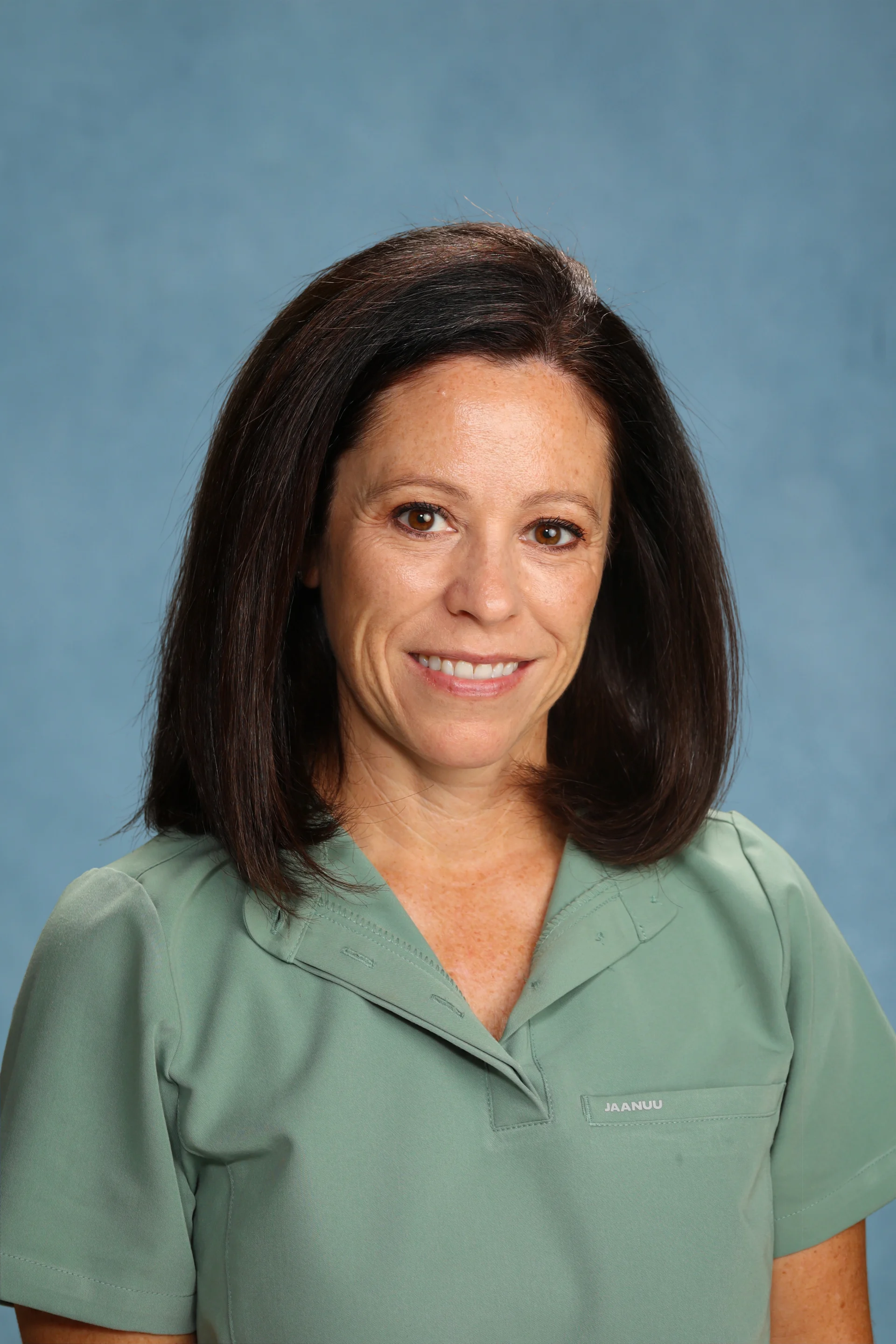
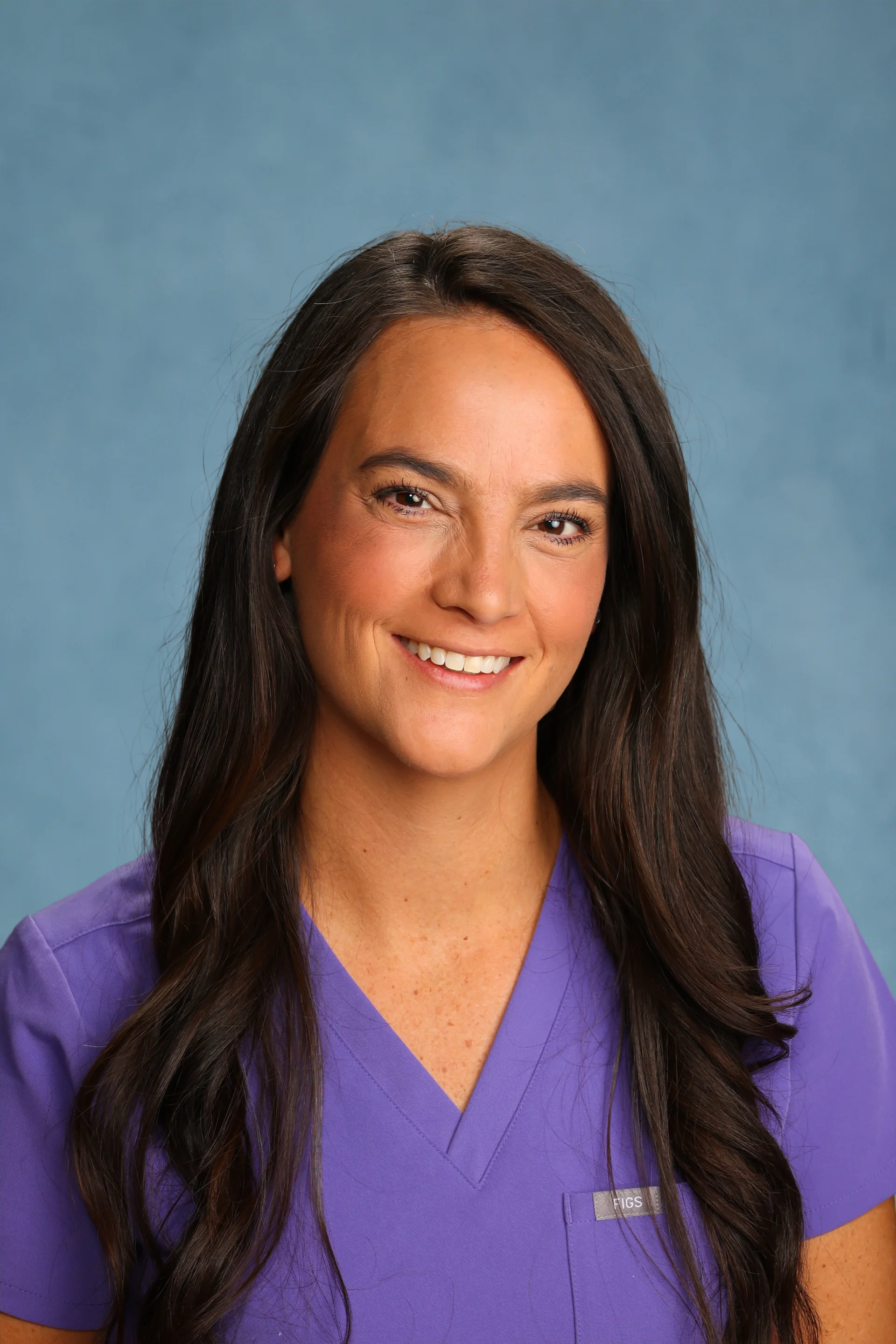
Lower School Nurse Contact Information:
Nicole Hall RN, BSN
[email protected]
LS: 214-504-7241
Lower School Nurse Contact Information:
Lauren Junker RN, BSN
[email protected]
LS: 214-504-7241
 School Calendar

 Donate Today


